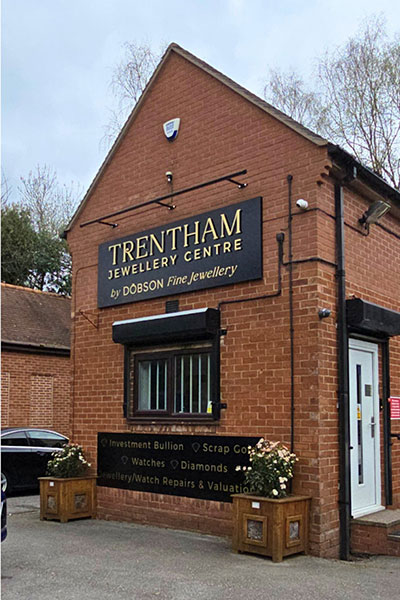
Not all diamonds are created the same way. At Trentham Jewellery Centre, we use specialist diamond screening technology to help establish whether a diamond is natural or requires further investigation for laboratory-grown origin.
Whether you’ve inherited a diamond ring, purchased pre-owned jewellery or simply want greater confidence in a piece you own, understanding a diamond’s origin is an important part of establishing its identity and value.
Our professional diamond screening equipment allows us to carry out an initial assessment of suitable diamonds, helping distinguish stones consistent with natural origin from those requiring further examination.
Because when it comes to diamonds, knowing what you have matters.
At first glance, natural and laboratory-grown diamonds can appear virtually identical.
Both are genuine diamonds, sharing essentially the same chemical composition, crystal structure and physical properties. The fundamental difference lies in how they are formed.
Natural Diamonds
Formed deep within the Earth over millions or even billions of years, natural diamonds are created through geological processes involving extreme heat and pressure.
Their natural origin, rarity and individual characteristics contribute to their desirability and market value.
Laboratory-Grown Diamonds
Laboratory-grown diamonds are manufactured in controlled environments using advanced processes that replicate aspects of natural diamond formation.
The two principal production methods are High Pressure High Temperature (HPHT) and Chemical Vapour Deposition (CVD).
Although chemically and physically comparable to natural diamonds, laboratory-grown stones generally occupy a different position in the jewellery resale market.
Natural and laboratory-grown diamonds can look almost identical, but their origins can have a significant impact on how they are described, valued, bought and sold.
Accurate identification is therefore particularly important when assessing pre-owned jewellery, inherited pieces or diamonds without supporting documentation.
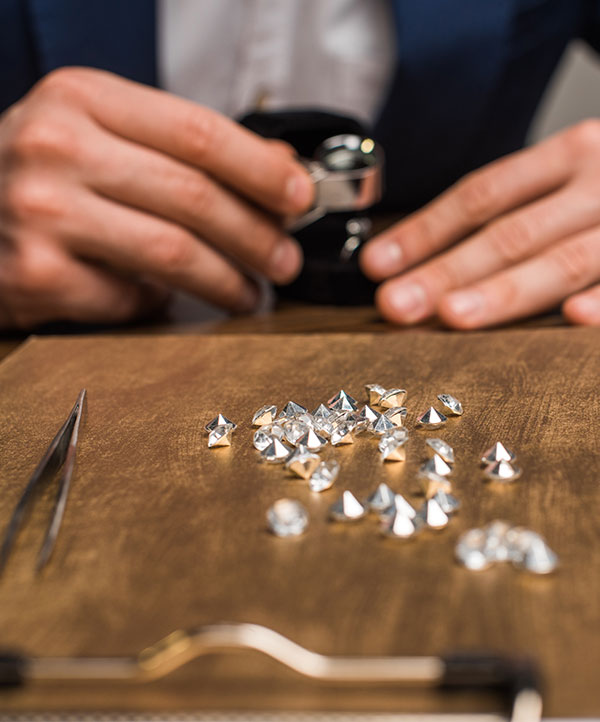
Traditional handheld diamond testers are generally designed to help distinguish diamonds from certain imitation stones by measuring properties such as thermal conductivity.
However, because laboratory-grown diamonds possess essentially the same physical properties as natural diamonds, conventional testing methods cannot reliably establish their origin.
At Trentham Jewellery Centre, we use specialist diamond screening equipment designed to assess whether suitable stones exhibit characteristics consistent with natural diamonds or should be referred for further examination.
Depending on the screening technology, this may involve analysing how a diamond responds to particular forms of light.
Screening results help us determine whether a diamond can be identified as natural within the equipment’s testing parameters or whether additional investigation is necessary.
Importantly, a stone referred for further testing is not automatically laboratory-grown. Some natural diamonds can also produce referral results.
Where screening alone cannot establish origin, further specialist laboratory analysis may be required to provide a definitive identification.
Once an estate has been valued and the relevant administration completed, there may be several options for inherited jewellery.
You may wish to:
Our specialist equipment allows us to screen suitable diamonds for characteristics associated with natural origin, helping identify stones that require further examination.

Understanding whether a diamond is natural or laboratory-grown can be essential when determining its market value.
Professional screening provides valuable information when buying, selling or assessing diamond jewellery.

Diamond screening is a non-destructive process, allowing suitable stones to be examined without cutting, scratching or otherwise damaging them.

Our screening technology is supported by our experience in buying, selling and assessing fine jewellery, enabling us to consider results alongside the characteristics and documentation of each piece.
Inherited a diamond ring but have no idea whether the stone is natural or laboratory-grown?
Not every piece of diamond jewellery comes with its original purchase receipt, grading report or certificate of authenticity.
This is particularly common with inherited jewellery, older engagement rings, pre-owned pieces and jewellery purchased privately.
Our diamond screening service can be useful when examining:
Our equipment provides an additional level of assessment, helping us investigate the origin of suitable stones and advise when more comprehensive testing may be appropriate.
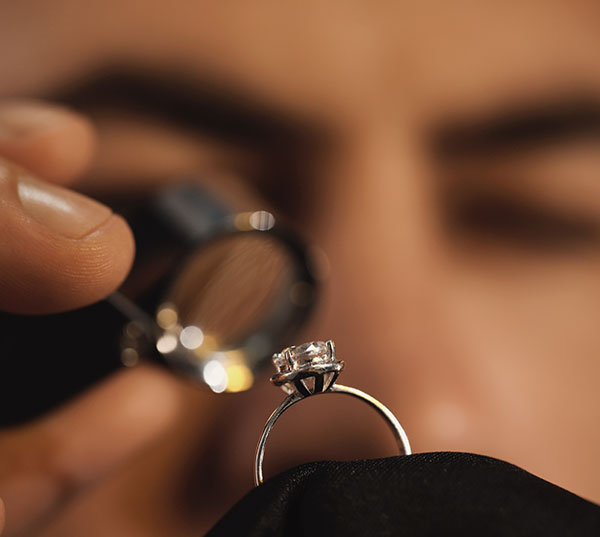
The origin of a diamond is an important consideration when determining its value.
Natural and laboratory-grown diamonds can differ significantly in market price, even when their size, colour, clarity and cut appear comparable.
At Trentham Jewellery Centre, our diamond screening technology supports the initial assessment of suitable stones when examining jewellery for potential purchase, resale or valuation.
Alongside the diamond’s origin, other factors may be considered, including:
Our screening service complements our wider jewellery expertise, helping us provide informed guidance on pieces brought into our showroom.
For customers requiring formal written documentation, we also offer specialist jewellery valuation services.
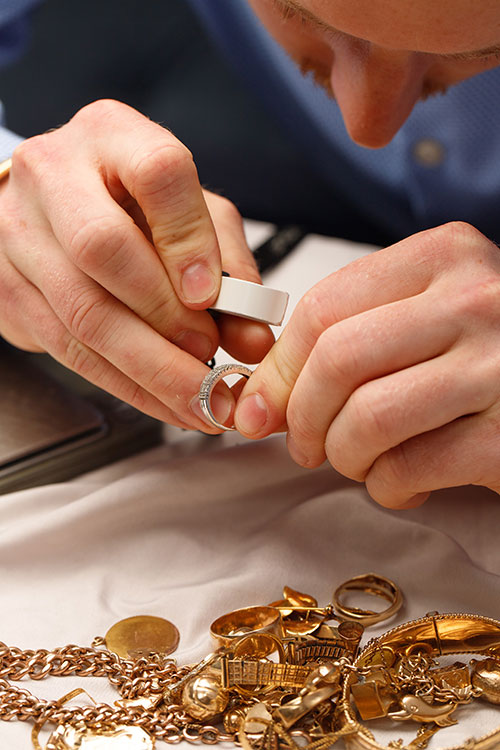
Our specialist diamond screener allows us to assess suitable stones for characteristics associated with natural diamonds.
Depending on the result, we may be able to identify a diamond as natural or determine that further investigation is required.
A referral result does not necessarily mean a diamond is laboratory-grown, and specialist laboratory testing may be required for a definitive conclusion.
Yes. Laboratory-grown diamonds are genuine diamonds with essentially the same chemical composition and physical properties as natural diamonds.
The difference lies in their origin: natural diamonds form through geological processes, while laboratory-grown diamonds are manufactured using specialist technology.
Traditional handheld diamond testers are not generally capable of distinguishing natural diamonds from laboratory-grown alternatives.
Both types can produce similar results on conventional testing equipment, which is why specialist screening technology is important.
Yes. A diamond does not need to have an existing grading report or certificate for us to consider it for screening.
However, some stones may require additional testing or specialist laboratory examination to confirm their origin.
Some mounted diamonds can be screened, depending on the equipment, stone characteristics and accessibility of the setting.
We recommend bringing your jewellery into our showroom so we can advise whether testing is suitable.
Not on its own.
Diamond screening helps establish information about a stone’s origin, but a valuation also considers characteristics such as carat weight, colour, clarity, cut, condition and current market demand.
We offer separate jewellery valuation services for customers requiring a professional assessment.
No. Diamond screening itself is non-destructive and does not require cutting, scratching or applying chemicals to the diamond.
Whether you’ve inherited a family heirloom, purchased a diamond without certification or are considering selling a valuable piece of jewellery, understanding its origin is an important first step.
At Trentham Jewellery Centre, we combine specialist diamond screening technology with extensive experience in fine jewellery to provide professional assessments and straightforward advice.
Visit our showroom in Trentham, Stoke-on-Trent, to discuss your diamond testing requirements with our team.